What is on the checklist
Thirty skills that kindergarten teachers look for, in six areas. Every one of them is something you can watch your child do at home — no test, no worksheet, no score.
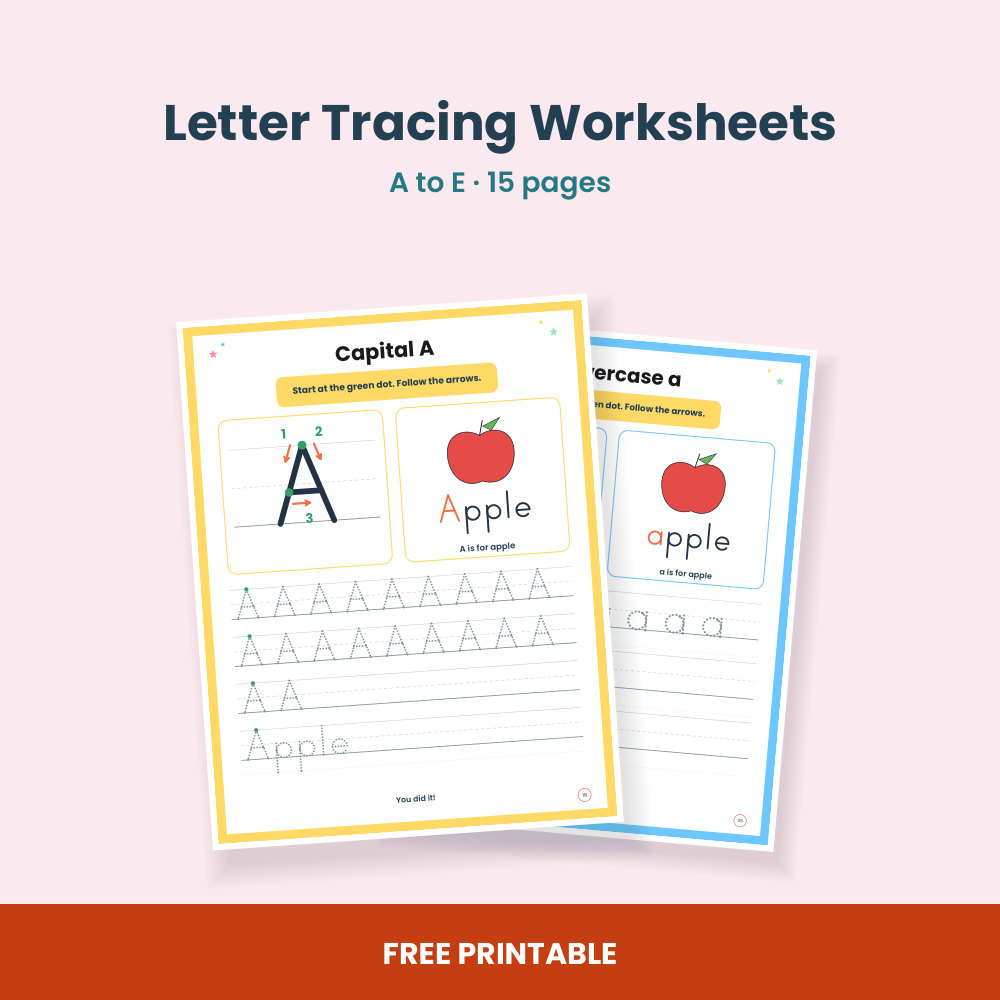
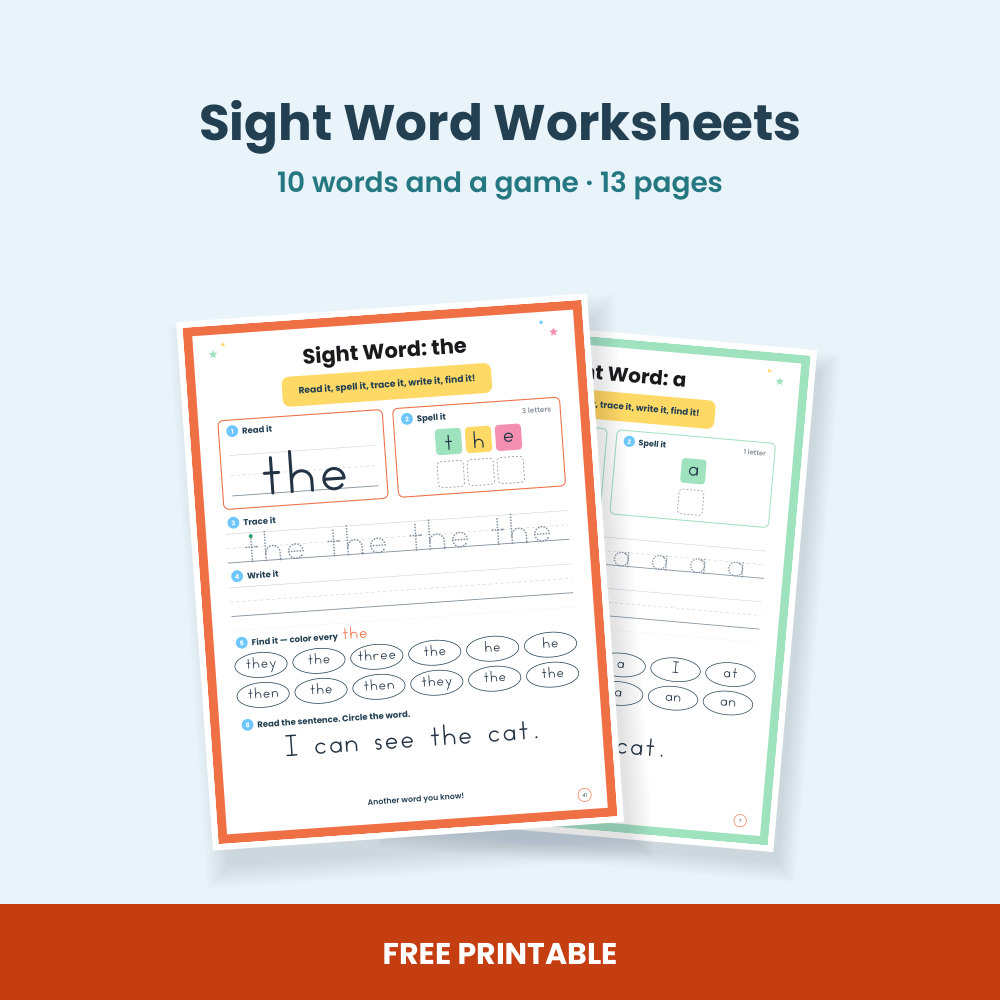
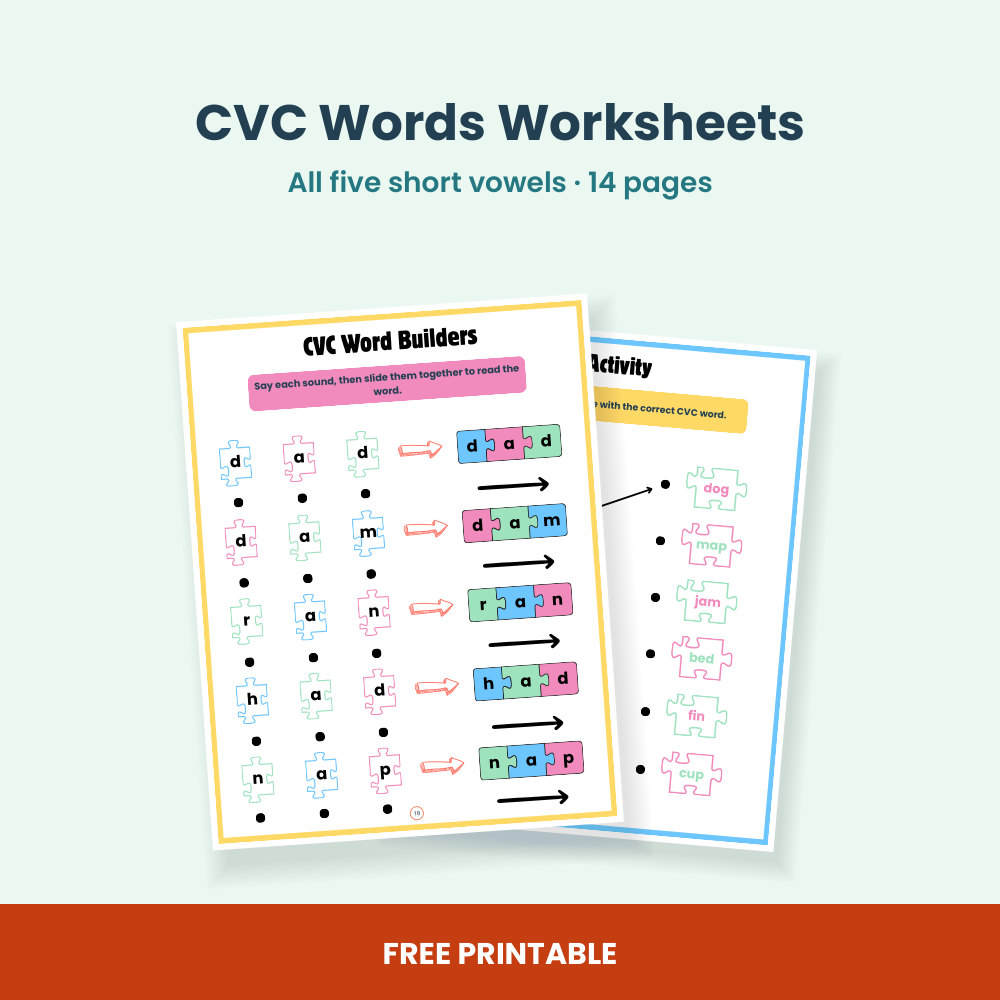
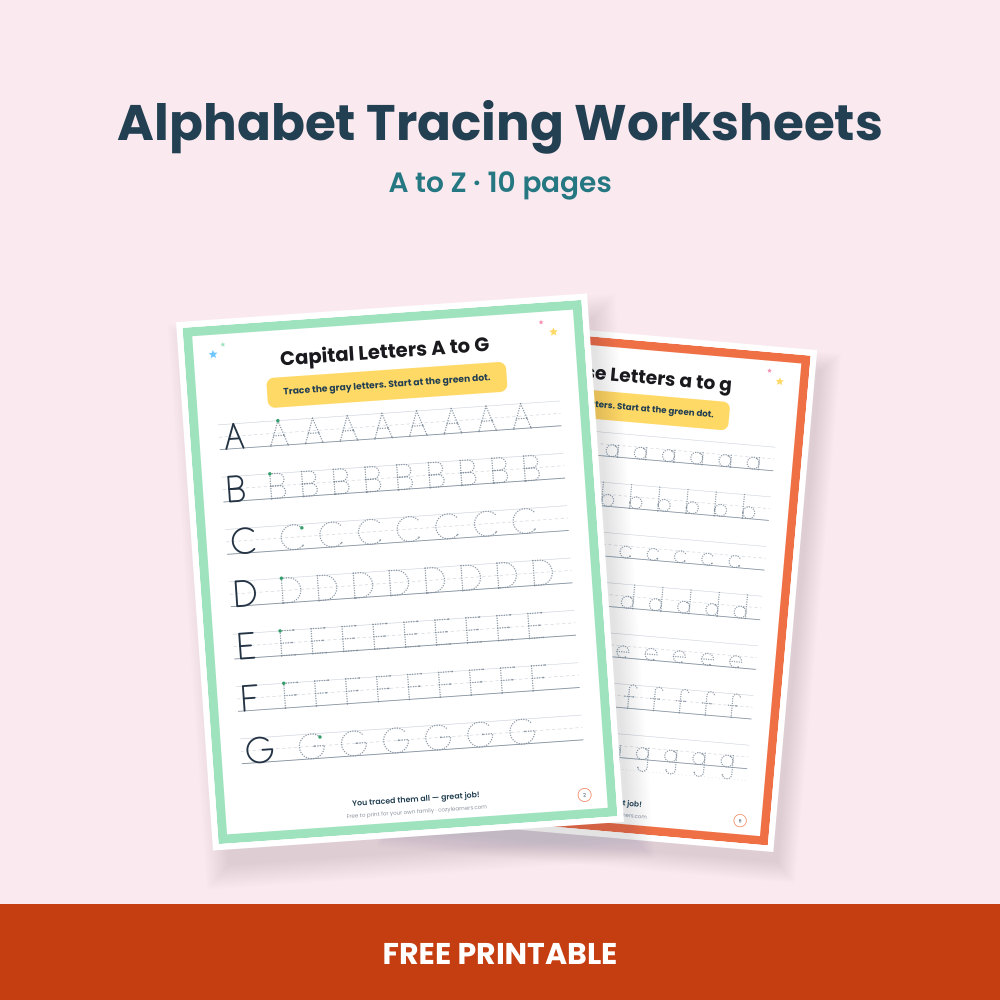
- Letters & language: says or sings the alphabet, knows some letters of their name, knows that letters make sounds, recognizes their own name in print, speaks in full sentences
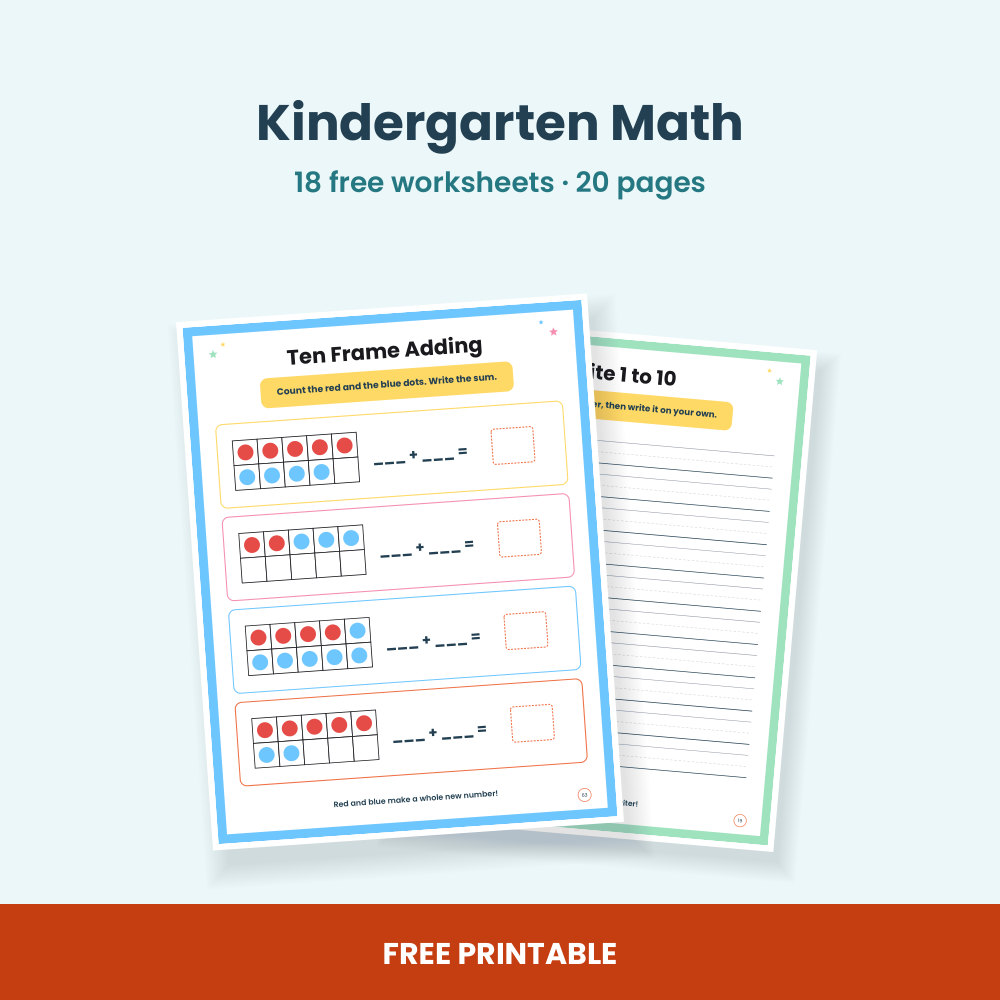
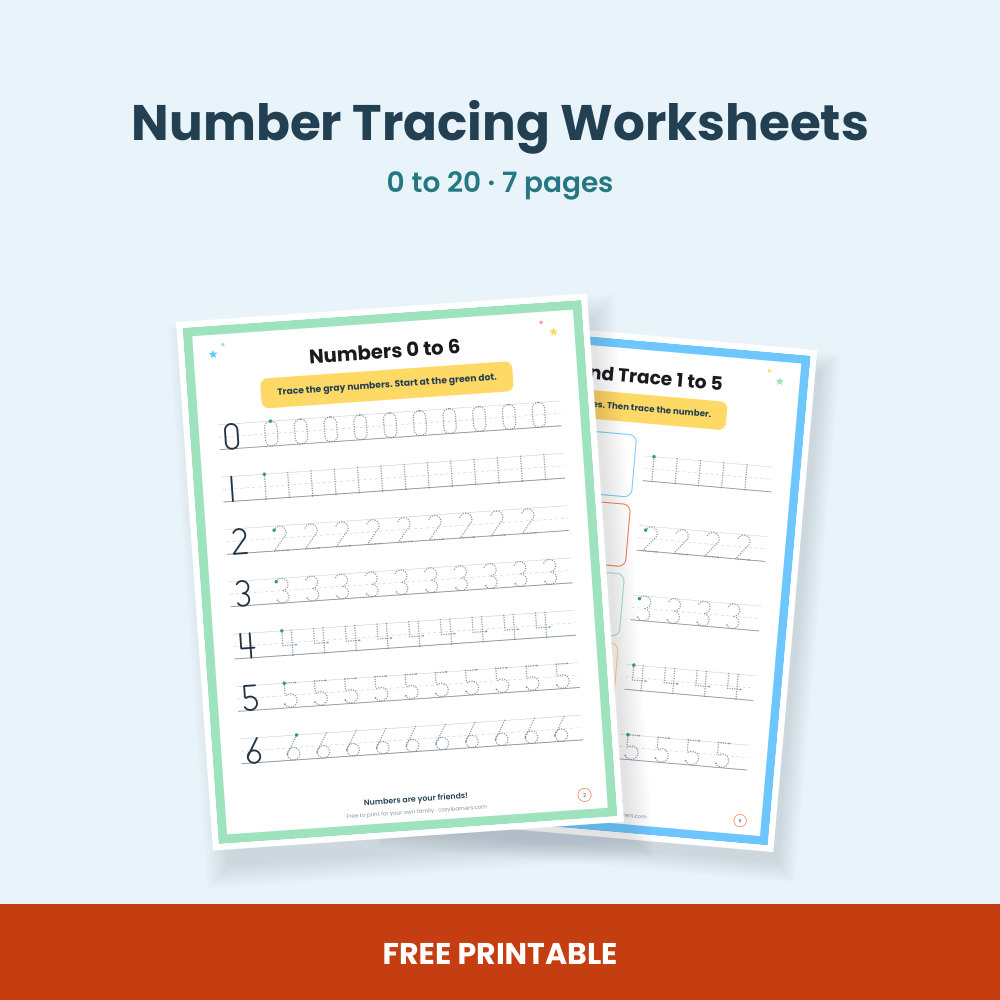
- Numbers & shapes: counts out loud to 10, counts up to 10 objects one by one, recognizes the numbers 1 to 5, names a circle, a square and a triangle, knows more, fewer and the same
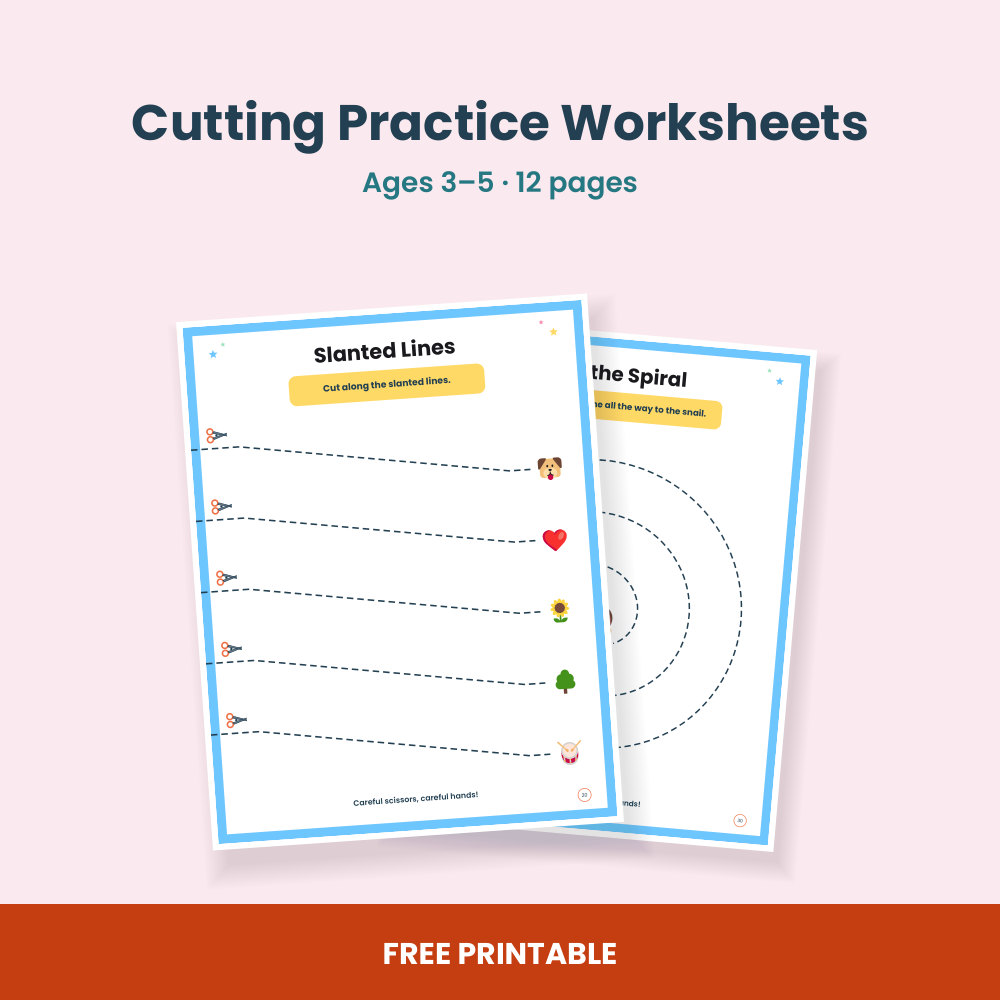
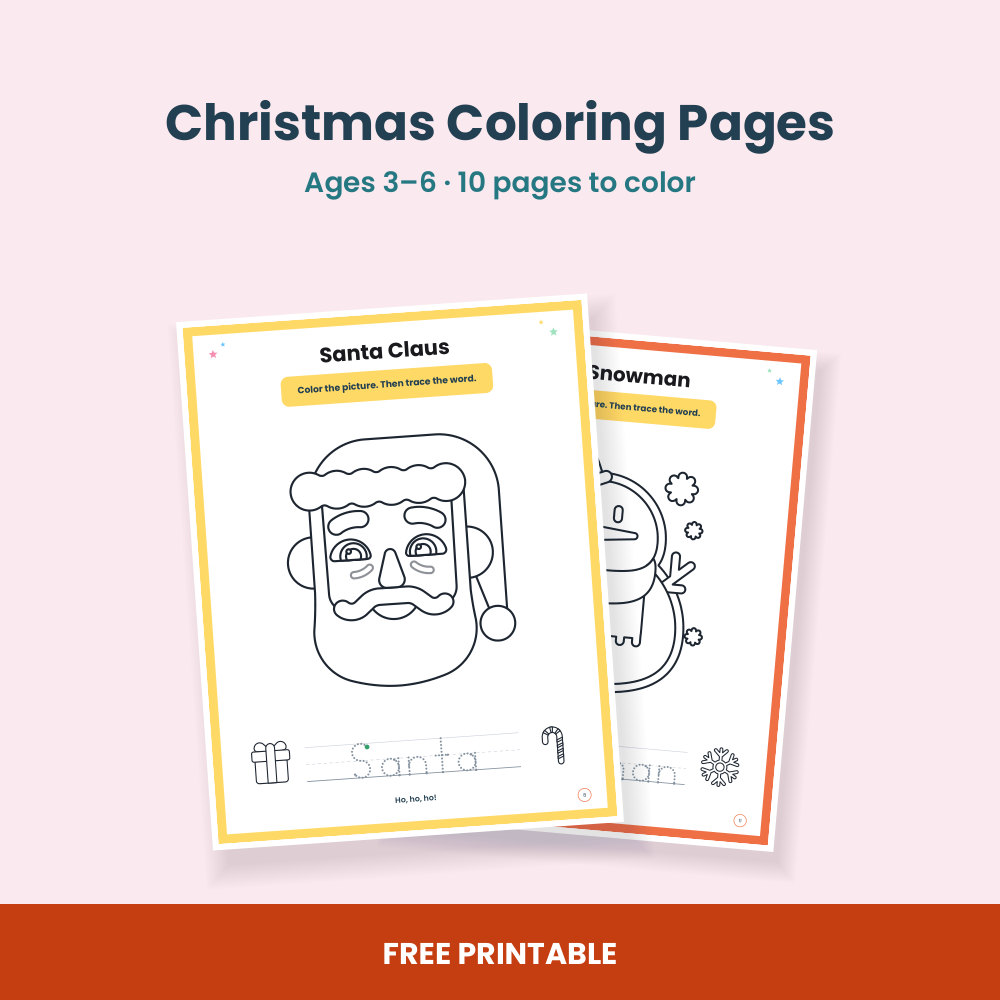
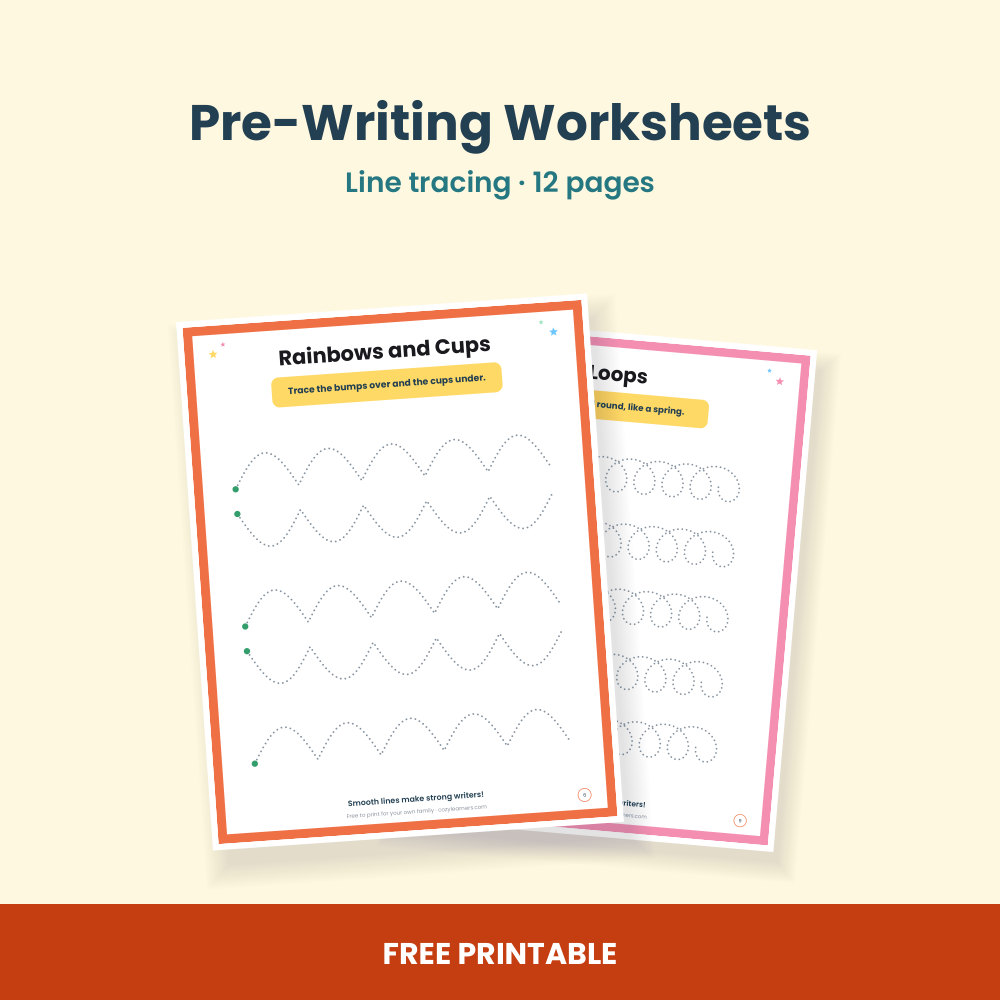
- Fine motor skills: holds a crayon with the fingers, draws a line, a circle and a cross, cuts along a line with safe scissors, traces simple lines and shapes, tries to write their own name
- Thinking & logic: finishes a simple puzzle, sorts by color, shape or size, spots what is the same and what is not, continues a simple pattern, follows two-step directions
- Feelings & friends: takes turns and shares, says how they feel, asks an adult for help, separates from a parent with little upset, listens while others talk
- Doing it myself: uses the bathroom alone, washes and dries their hands, puts on a coat and shoes, opens their own lunch box, tidies up after playing
How to use it
Print the first page and tick, over a few days, what your child already does on their own. Don't quiz them: watch them play, draw, get dressed and talk. Then turn to the second page, which tells you what your ticks mean.
- Most boxes ticked: your child is ready for kindergarten work. Start with a steady rhythm — one page a day, four days a week.
- A few gaps here and there: completely normal. That is what the kindergarten year is for.
- Many boxes still empty: start gently — fifteen minutes, one page, lots of praise — and tick the list again in three months.
What do kids need to know before kindergarten?
Less than most parents fear. Children are not expected to read, write sentences or add numbers before kindergarten — they learn that during the year. What helps most is the groundwork on this list: knowing that letters make sounds, counting objects one by one, holding a crayon, following simple directions, and managing a few things on their own, like the bathroom and their coat.
The social and self-help skills matter as much as the letters. A child who can wait their turn, say how they feel and ask for help settles into a classroom — or a homeschool day — much more easily.
How to build the skills that are missing
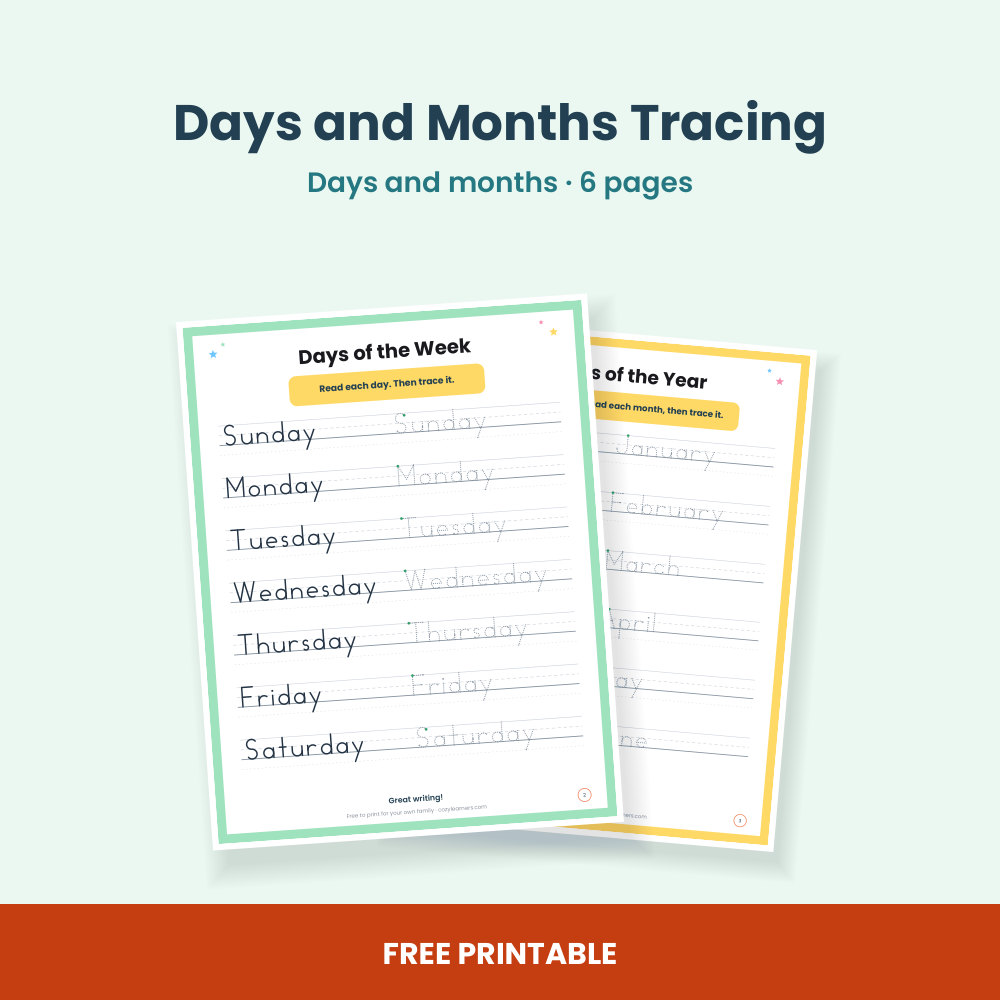
- Letters: sing the alphabet, point to the letters of their name everywhere you see them, and play "I spy something that starts with /m/". More ideas in letter recognition activities.
- Numbers: count stairs, spoons and toys out loud, touching each one as you count.
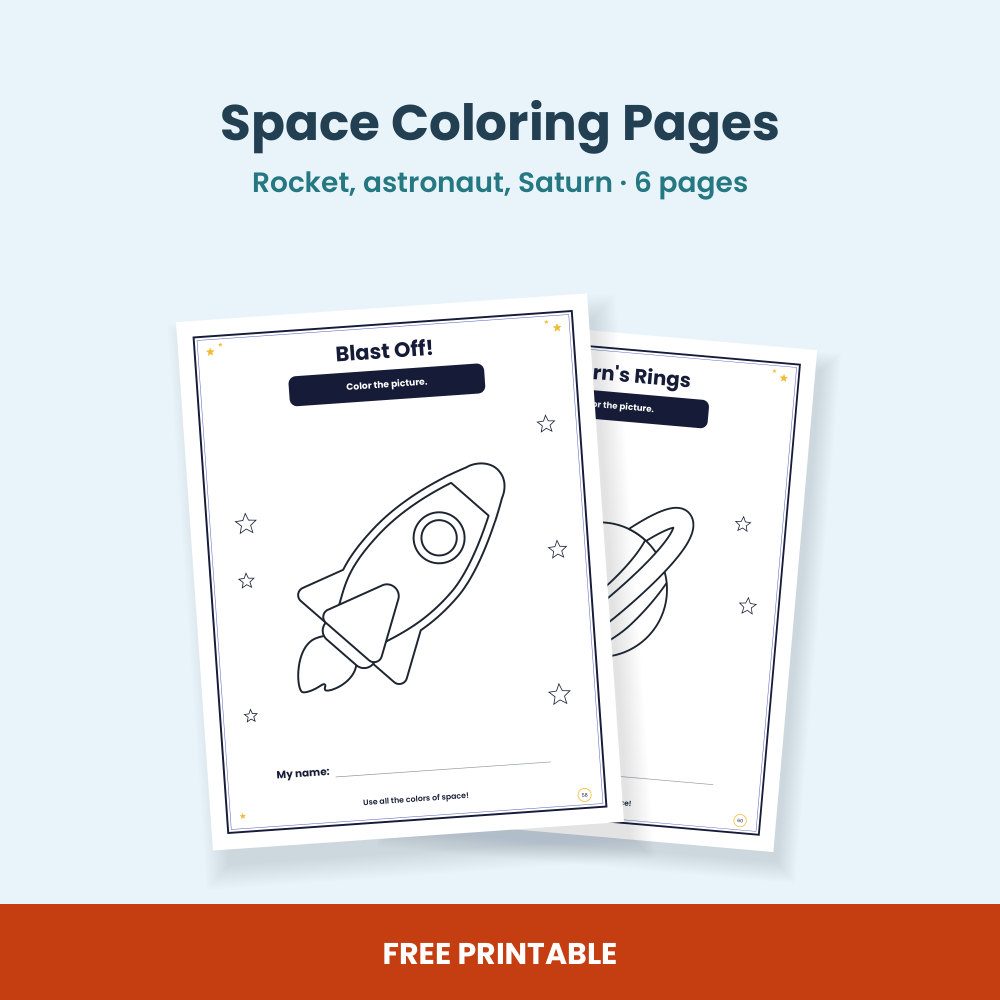
- Fine motor: play dough, crayons, stickers, and a little cutting every day — our cutting practice worksheets go from straight lines to a spiral.
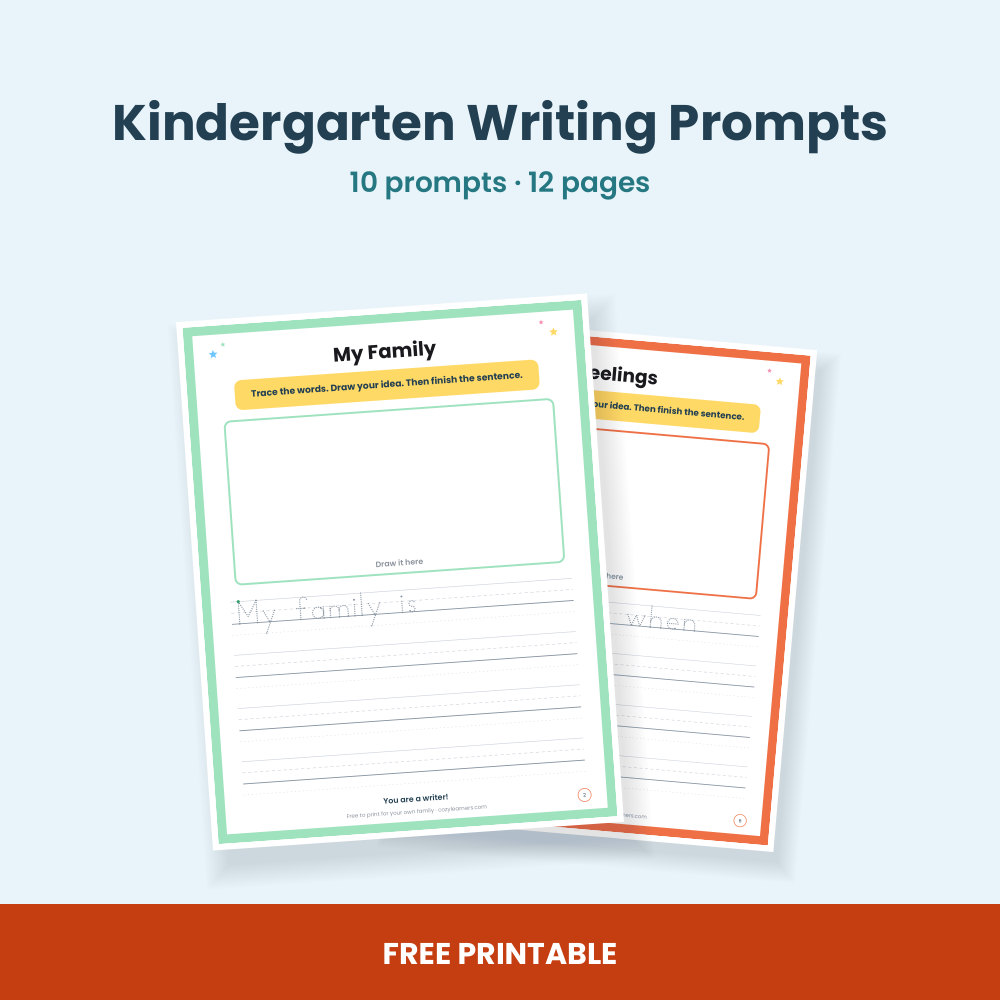
- Their name: make a free page with our name tracing generator.
- Independence: let them do it themselves, even when it is slower — coat, shoes, lunch box, tidying up.
Homeschooling kindergarten?
If you teach at home, this checklist is a good first day: it shows where to begin. Our guide to how to homeschool kindergarten walks through the rest, and choosing a kindergarten homeschool curriculum helps you compare the options.
US Letter or A4
The download comes in both sizes: US Letter for the United States and Canada, A4 for the UK, Europe, Australia and most other countries.
Want the whole year planned?
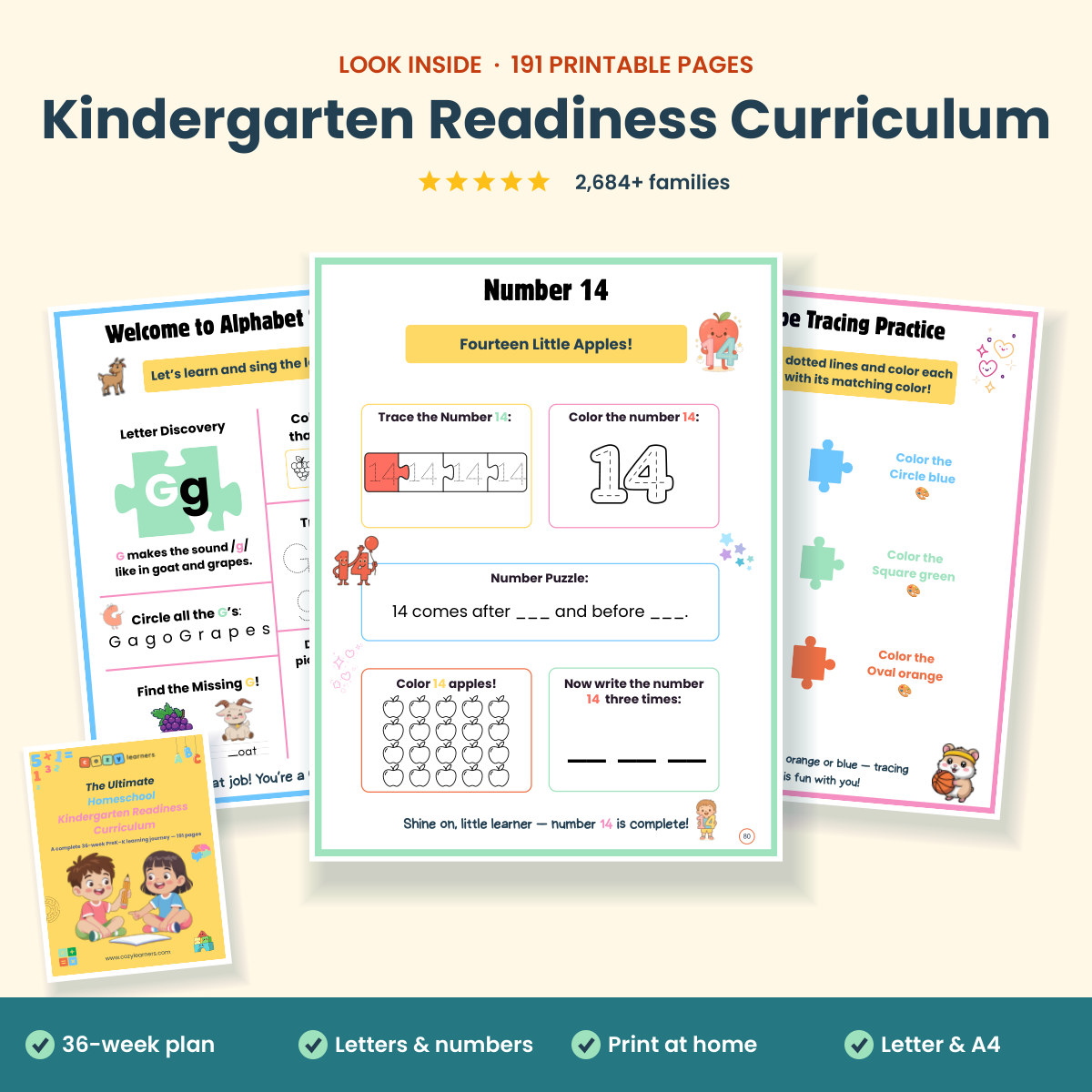
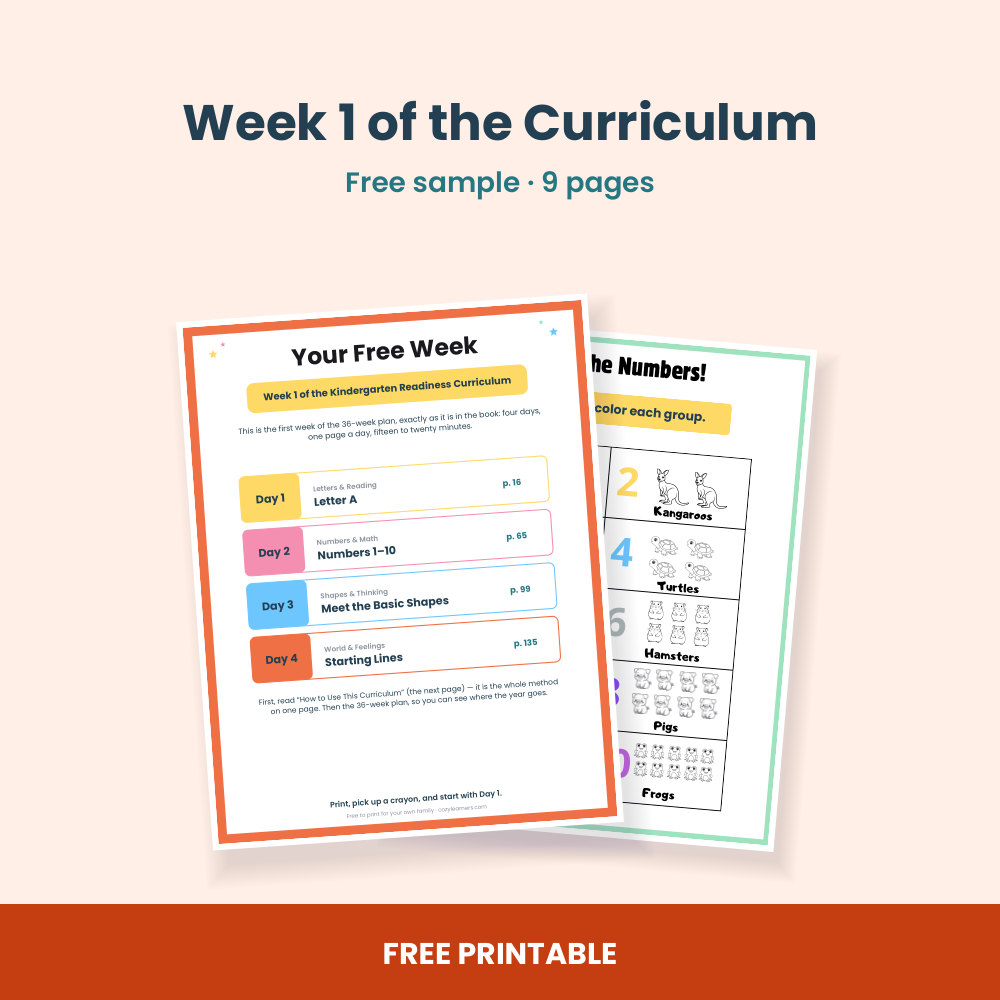
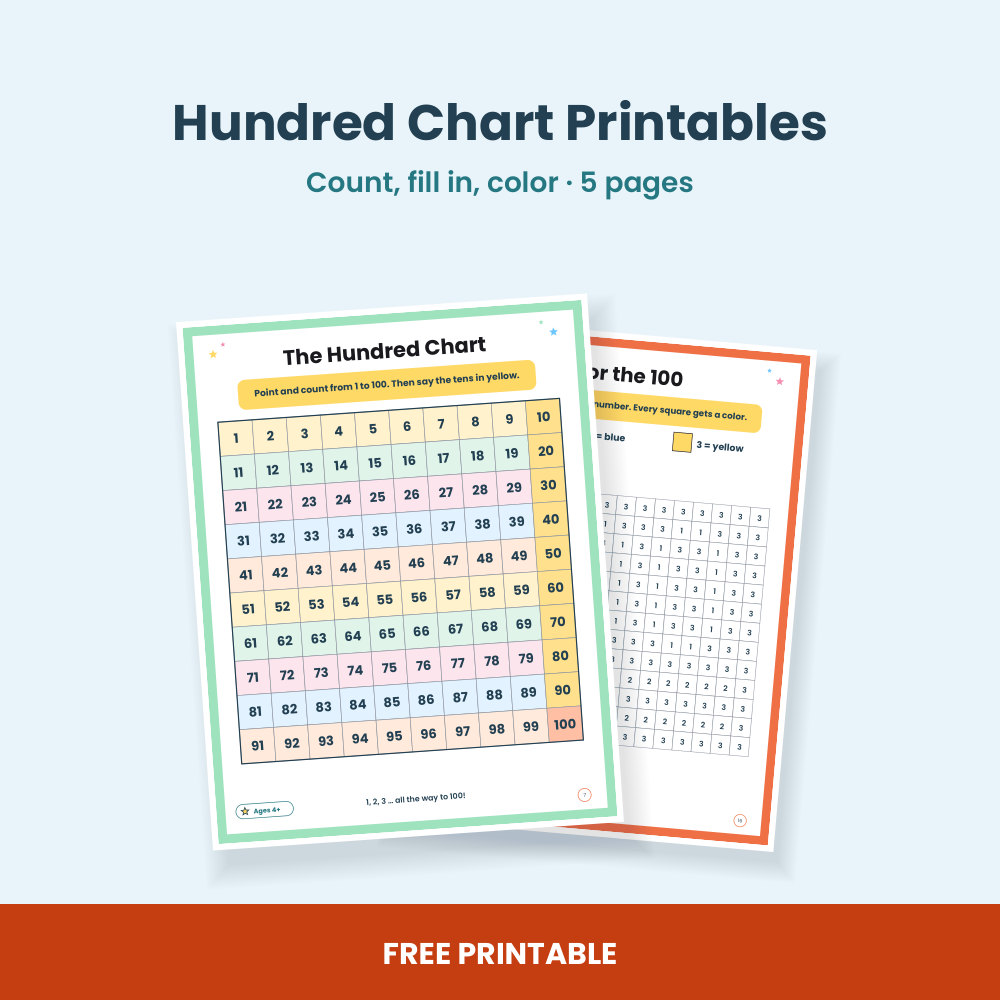
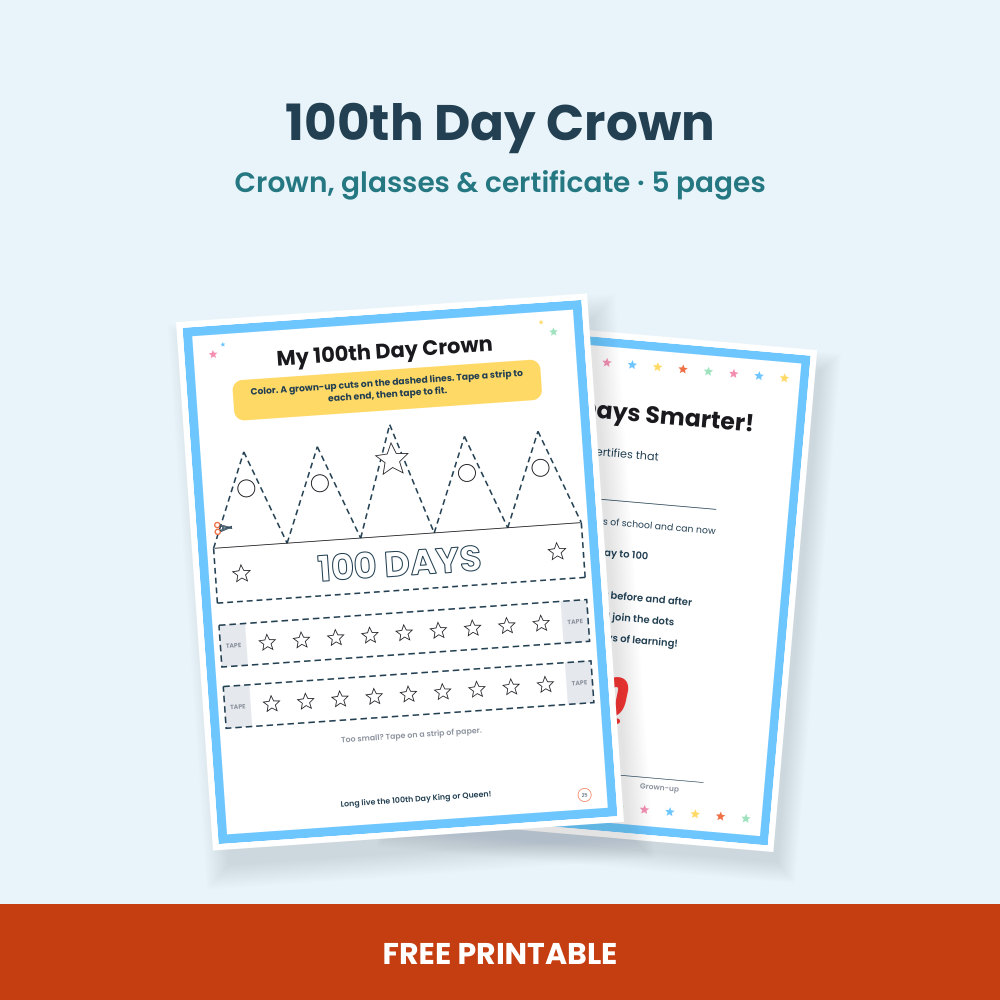
The checklist comes from our Kindergarten Readiness Curriculum: 191 pages that work on all of these skills in eight sections, with a 36-week plan that tells you which page to open each day — one page a day, four days a week. You can print Week 1 free to try it.